Accountable for outcomes, not hours
Parker designs, builds and runs the systems that banks, retailers, manufacturers, telecom operators and logistics groups depend on.
- 14 years
- building systems for large companies
- 230
- engineers, 80% of them senior or lead
- 96
- projects in production, none abandoned
- 99.95%
- SLA uptime for the systems we support
For companies where software is critical
We work with banks, retailers, manufacturers and telecom operators: companies where an outage costs more than the system took to build. So we don’t sell developer rates. We sell the outcome: a system in production, a ranged estimate and an SLA.
- What we own
- The full cycle: discovery, architecture, delivery, launch and 24/7 support. One team from the first meeting to production support.
- How we’re accountable
- A fixed price per phase after discovery, a weekly report on schedule and budget, and an SLA of up to 99.95% on support.
- Who signs off
- An engineer runs the company. Ben Parker personally signs off the architecture of every project and answers for it to the client.
- What we don’t do
- We don’t promise deadlines we can’t defend, and we don’t take projects where quality is expected to give way to a date.
An engineer runs the company
Ben started as a developer in card processing, built engineering teams at large product companies and founded Parker to deliver enterprise software without bureaucracy or death marches. He speaks at major tech conferences about engineering culture.

“Large companies don’t need heroics on a Friday night. They need systems that don’t go down and deadlines they can believe.”
What Ben does personally
- Signs off the architecture of every project
- Reviews every decision on payments, security and the system core
- Meets the client at kickoff and before launch
- Leads the review of every major support incident

The rules Ben holds every team to

We don’t sell developer hours. We sell a predictable outcome, so the rules are the same on every project.
-
Code review within one business day
A senior engineer reviews every pull request. The CEO signs off the architecture.
What we don’t allowA pull request waits a week for a reviewer while the author forgets the context.
-
A demo every two weeks
You see working software, not status reports.
What we don’t allowThree months of “90% done” reports and no build you can open.
-
Estimates as ranges, no surprises
Estimates are updated weekly. We flag risks before they happen.
What we don’t allowFinding out on release day that the release has moved.
-
Your code and access from day one
The repository, infrastructure and documentation belong to you.
What we don’t allowA repository on the vendor’s account and documentation “later.”
-
Seniors on critical paths
Juniors don’t touch payments, security or the system core.
What we don’t allowAn intern in the payments module “under supervision.”
-
Secure by default
Threat modeling, static and dynamic analysis, and a pentest before release, not after an incident.
What we don’t allowSecrets in the repository and a shared production password.
Talks
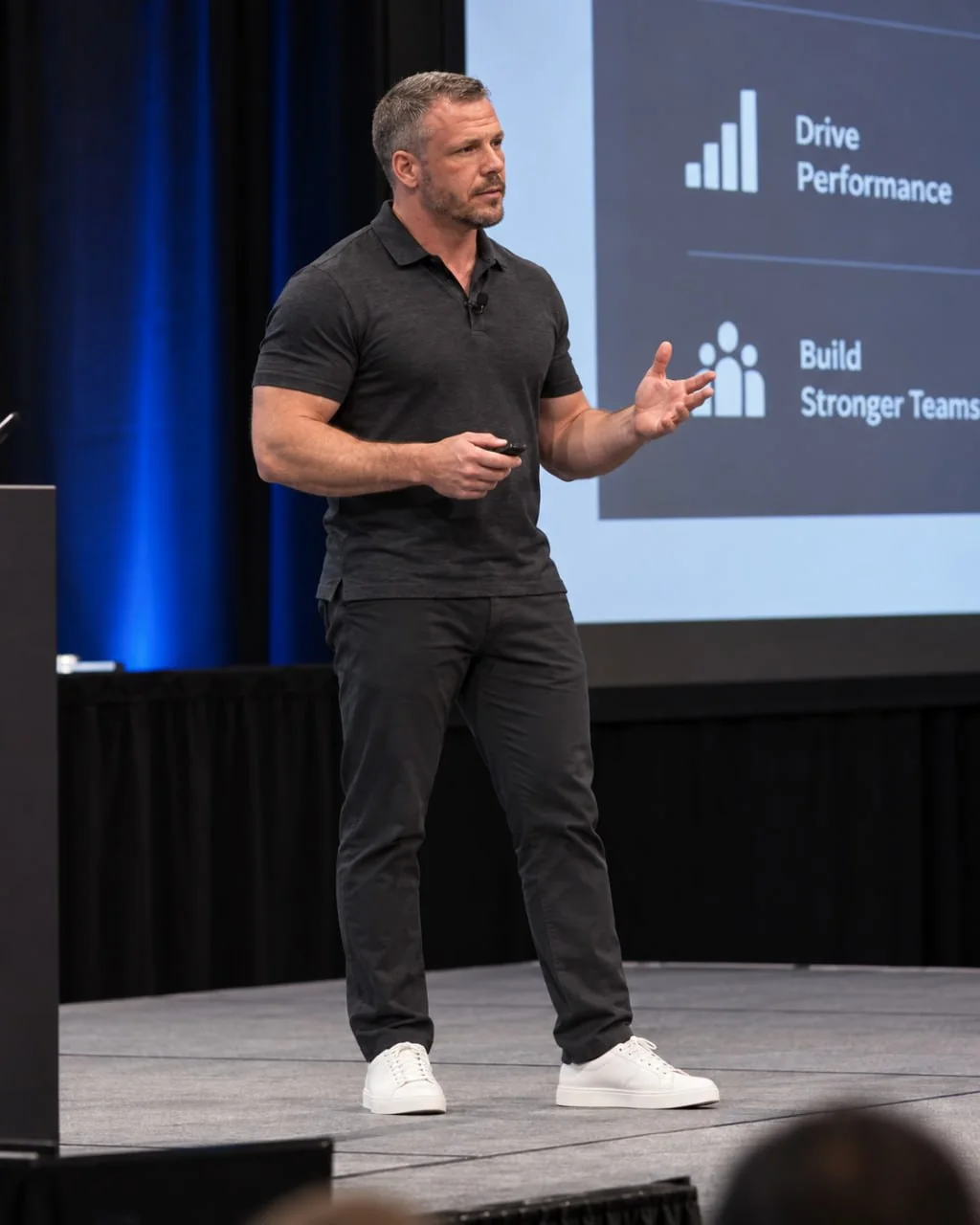
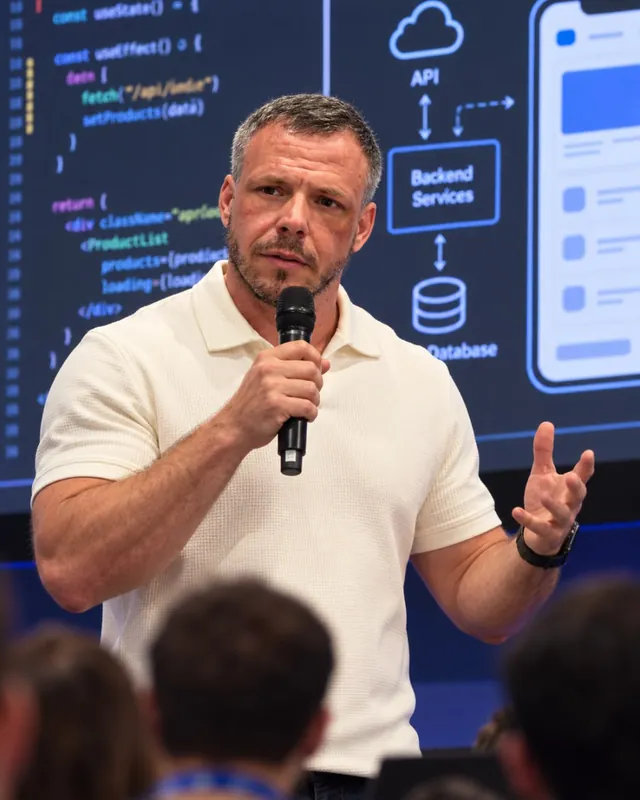
On stage, Ben shows how to estimate honestly, run code review and launch systems without firefighting. Everything he talks about is how Parker projects actually run.
Upcoming talks
- We don’t merge on FridaysBerlin, talk
- Code review as a contact sportAmsterdam, workshop
- Your MVP isn’t minimalLondon, talk
- Hire slowly, review fastDubai, keynote
Where you’ll find Ben
The standards stay the same wherever Ben is: at a whiteboard, on a conference floor or at his own desk.
-
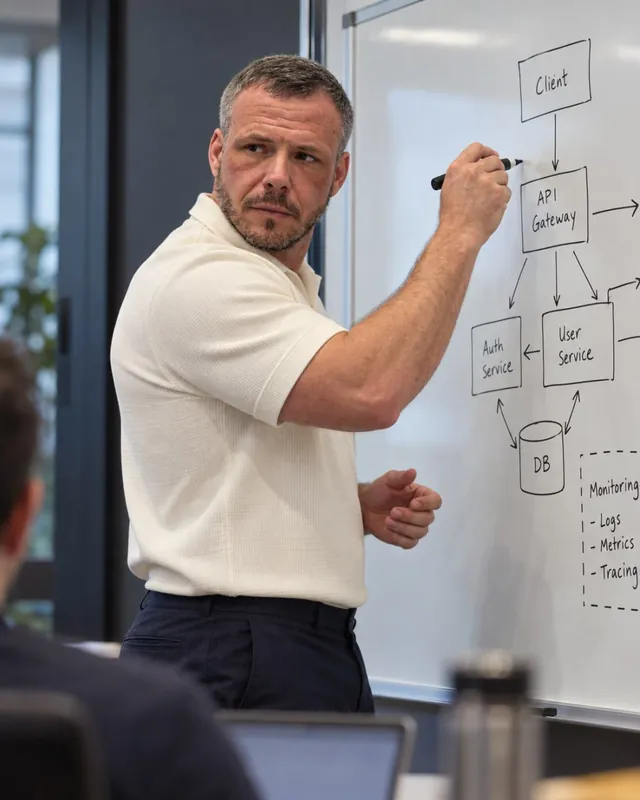
Architecture sessionsClient, gateway, services, database. The system goes on the whiteboard before anyone writes code. -
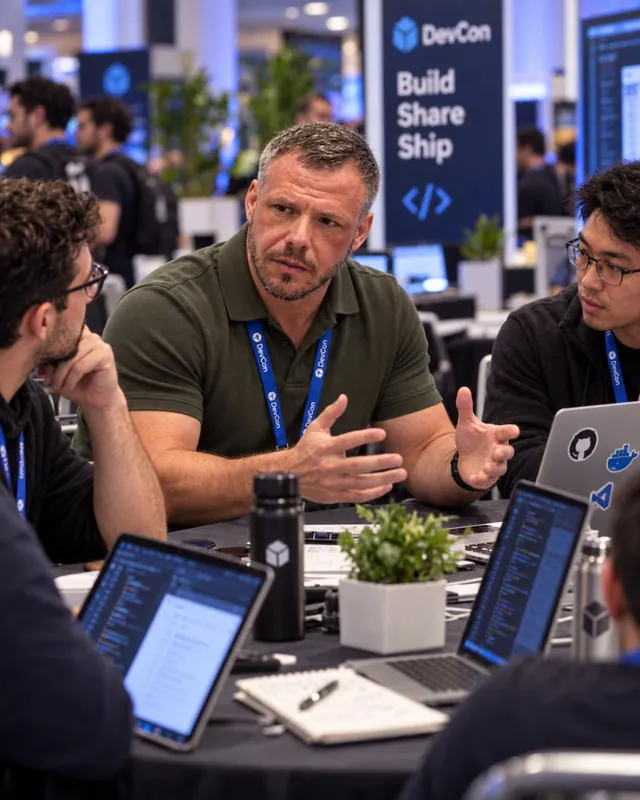
WorkshopsWorking sessions with engineers at DevCon, around their laptops rather than a slide deck. -
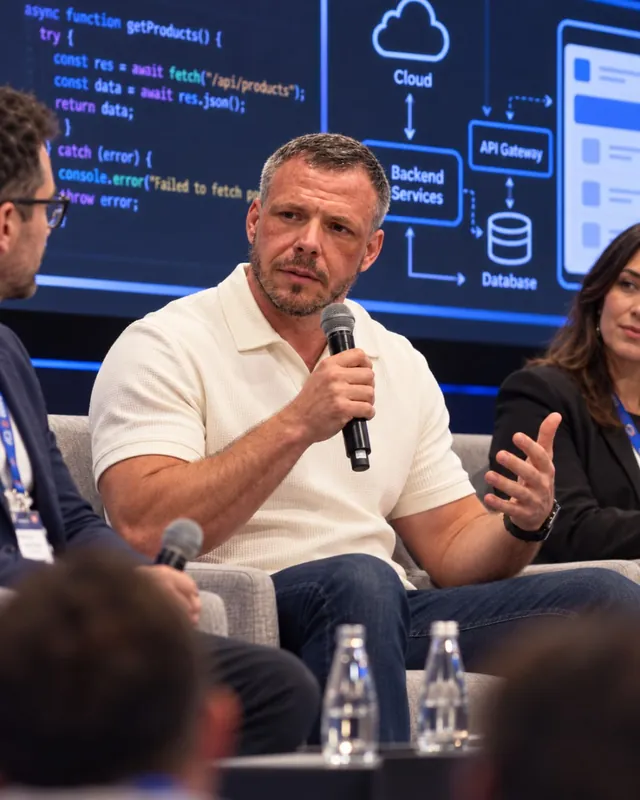
Panel discussionsPanels on architecture and engineering culture. Real project examples, with no client names. -
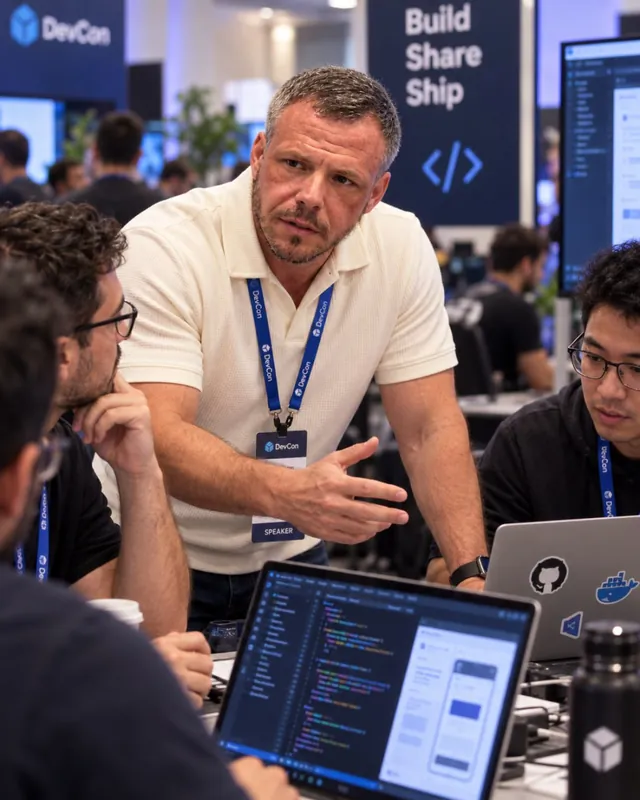
On the conference floorBetween talks, Ben joins engineers at their tables and looks at the code on their screens. -
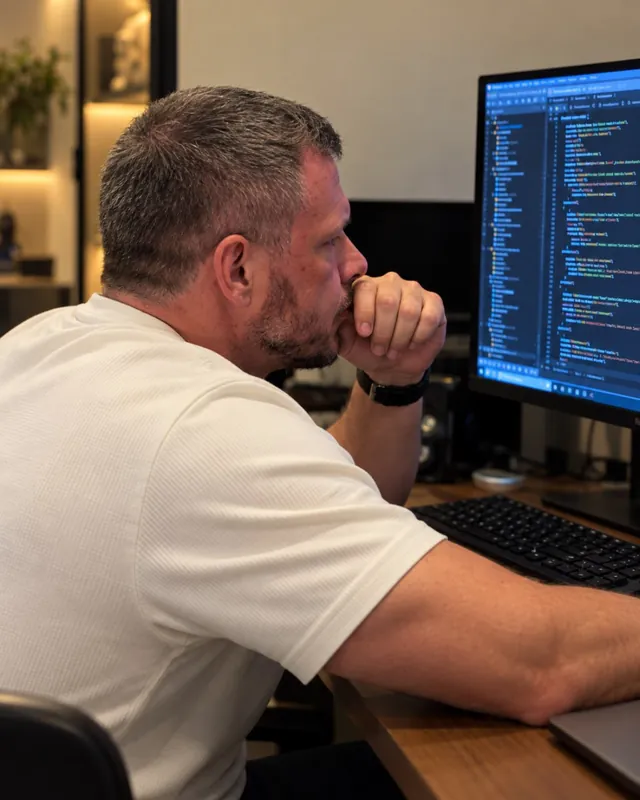
Code reviewOn payments, security and the system core, Ben reads the code himself before it ships.
Use the left and right arrow keys to browse the photos
Who will work on your project
230 engineers, 80% of them senior or lead. We agree on the lineup before kickoff and share the profiles of key engineers once the NDA is signed.
- 14
Architects
Design the system for load, security and integrations, and put every decision in writing.
- 26
Tech leads
Lead the project team and own code quality and sprint deadlines.
- 112
Senior engineers
Backend, frontend and mobile. They work on payments, security and the system core.
- 34
QA engineers
Automated, load and regression testing before every release.
- 24
DevOps and SRE
Infrastructure, CI/CD, monitoring and 24/7 support under the SLA.
- 20
Analysts
Systems and business analysts. They map your processes and turn them into requirements.
A typical project team: a tech lead, an architect, senior engineers, QA and a project manager.
Security and compliance
We treat your InfoSec team’s requirements as part of the specification.
NDA from the first email
Signed before the first call, on your template or ours.
GDPR and your security policies
Personal data handled under the law and your internal rules.
Your cloud or on-premise
We build and deploy inside your closed networks.
ISO/IEC 27001 processes
Access, change and incident management to the standard.
Pentest and code audit
Before every release, before anything reaches production.
Least privilege
Access only to what’s needed, and an audit log of every team action.
See how we would run your project
The first consultation is free. Within three business days we come back with a plan, a team lineup and a ranged estimate.